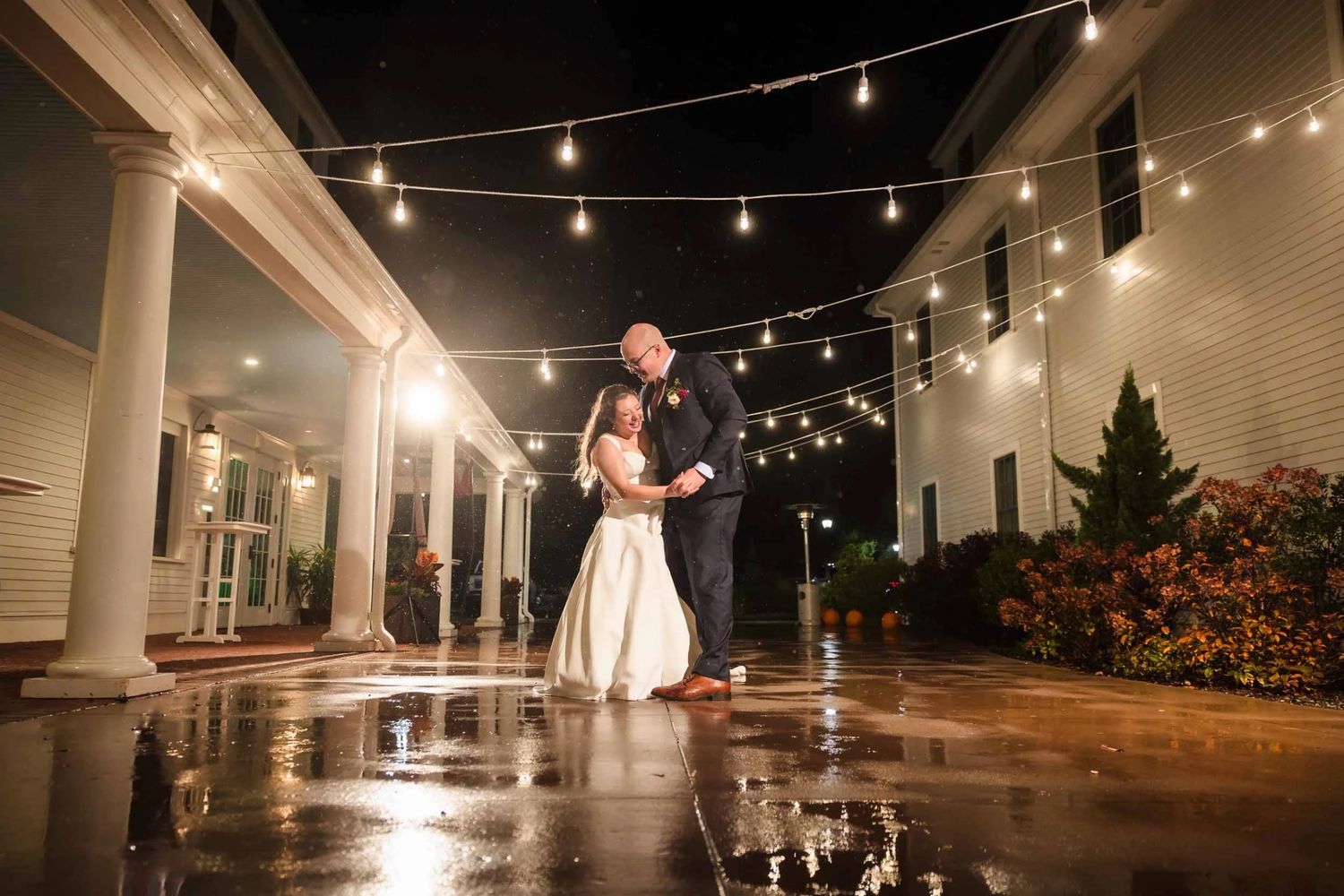
Early on, I thought great Wedding Photography was about me and my bag of tricks
I photographed my first wedding, two very close friends of mine, in 2004. I was immediately hooked and I knew this was my calling and passion. However, I was focused soley on technique. I wanted to create images that I thought were awesome. And honestly, I just assumed the couples would agree. If I thought a shot was great, they would too. That was the working theory.
It made sense at the time. I was learning the craft, pushing myself technically, and building a portfolio I was proud of. The problem wasn't the work. The problem was the assumption underneath it: that my idea of a great portrait and the couple's idea of a great portrait were the same thing.
They aren't. They almost never are, at least not automatically.

Then I realized every couple is different
and that changes everything
Experience is an amazing teacher. After enough weddings, patterns start to emerge, and one of the clearest ones is this: what moves one couple leaves another cold. Everyone is different. A style of portrait I loved, a particular kind of light or composition or moment, would land beautifully for one couple and feel totally wrong for the next. I couldn't ignore that reality forever.
As time went on I realized that every single couple was different and as a result I needed to tailor my coverage to match their values in order to make sure they were happy with the results. That sounds obvious when you say it out loud. But it took years of real weddings to internalize it, to stop treating my own aesthetic preferences as the default and start treating each couple's values as the actual brief. What counts as a great wedding photography isn't a fixed thing. It's specific to the two people in the frame.
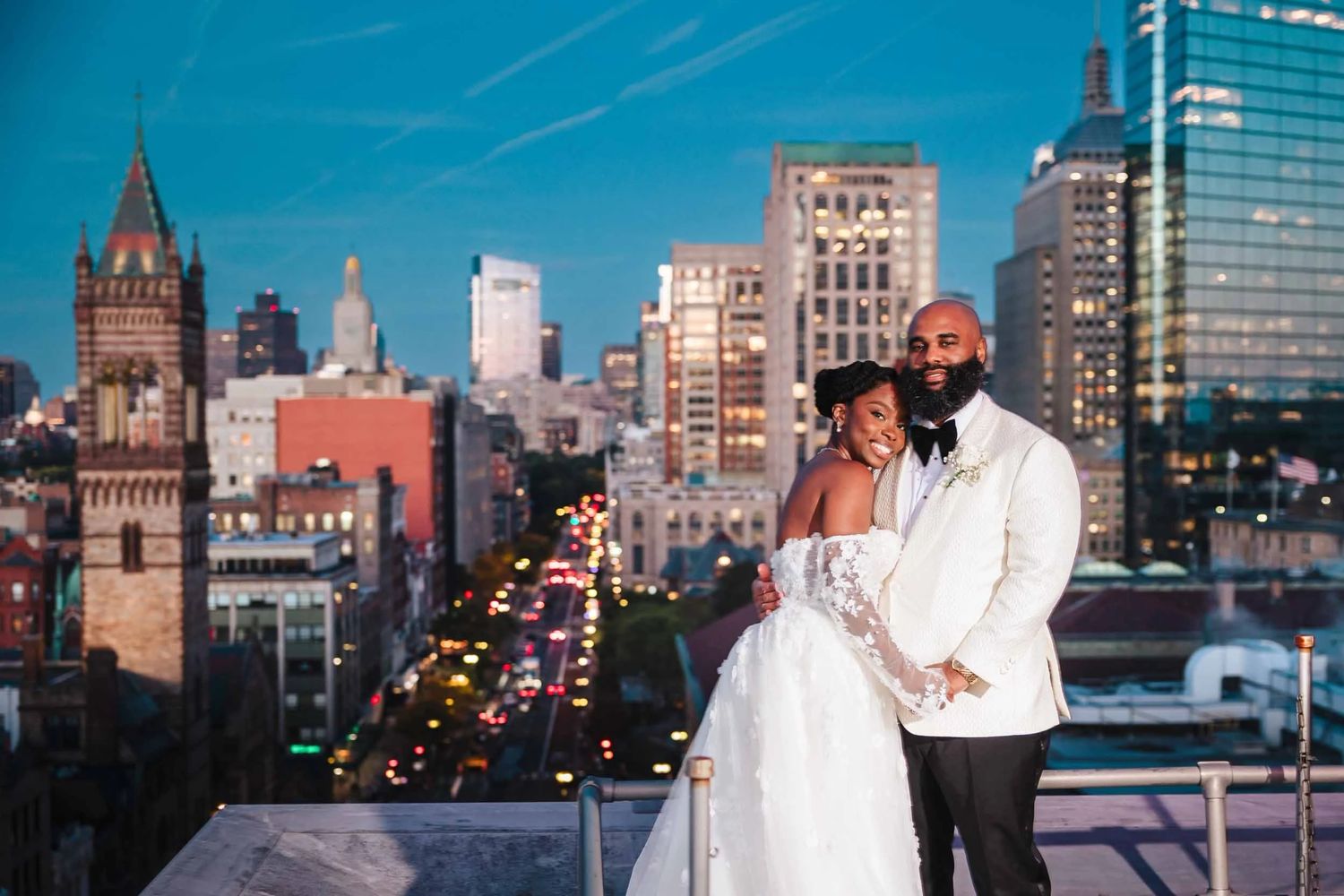
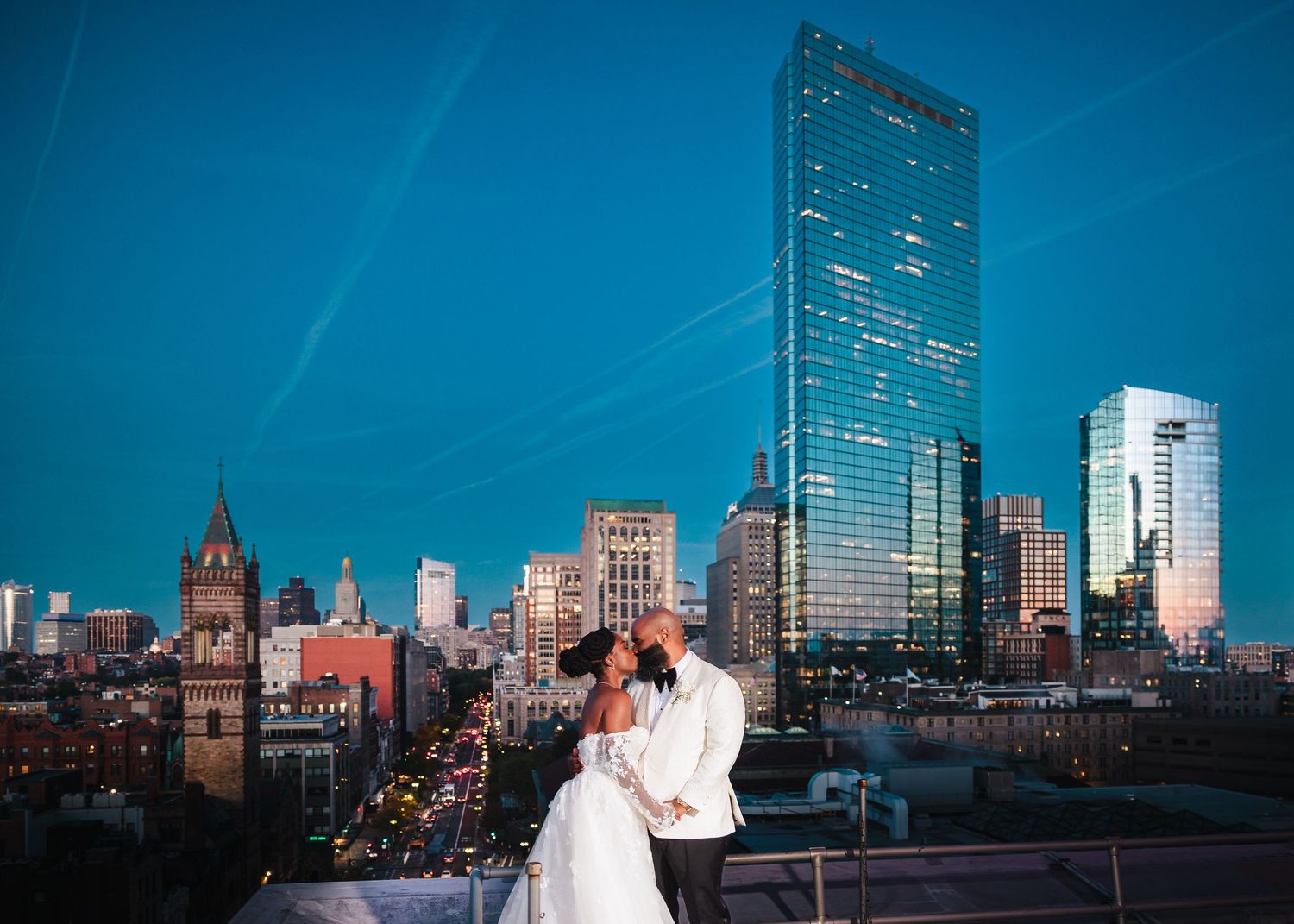
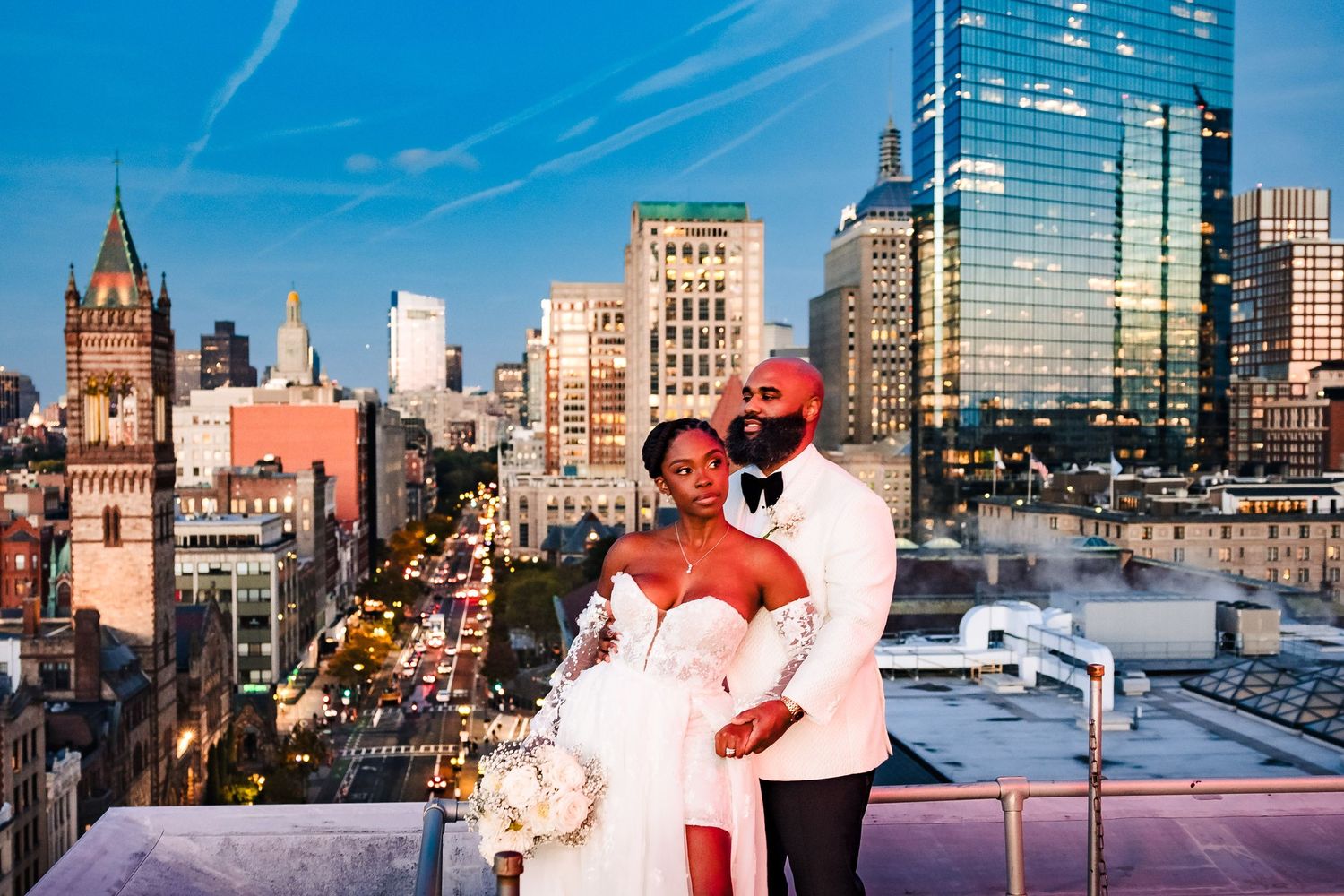
That shift turned out to be an opportunity,
not a constraint
Here's what surprised me. Once I stopped trying to apply a consistent formula and started building each wedding around what that particular couple cared about, the work got more interesting. Not less. Each couple was a challenge for sure, but not an insurmountable one.
I slowly learned that this was an opportunity, not an obstacle. Not only to ensure the clients were extremely happy with my work and thus recommend me to others, but also to keep the work fresh, new, and stimulating for me, which keeps my passion alive. Two decades in, no two weddings feel the same to me, because they genuinely aren't. The creative challenge is different every time, and that's the part that keeps me showing up with real enthusiasm instead of going through the motions.
The most important thing on your wedding day
is to just be yourself
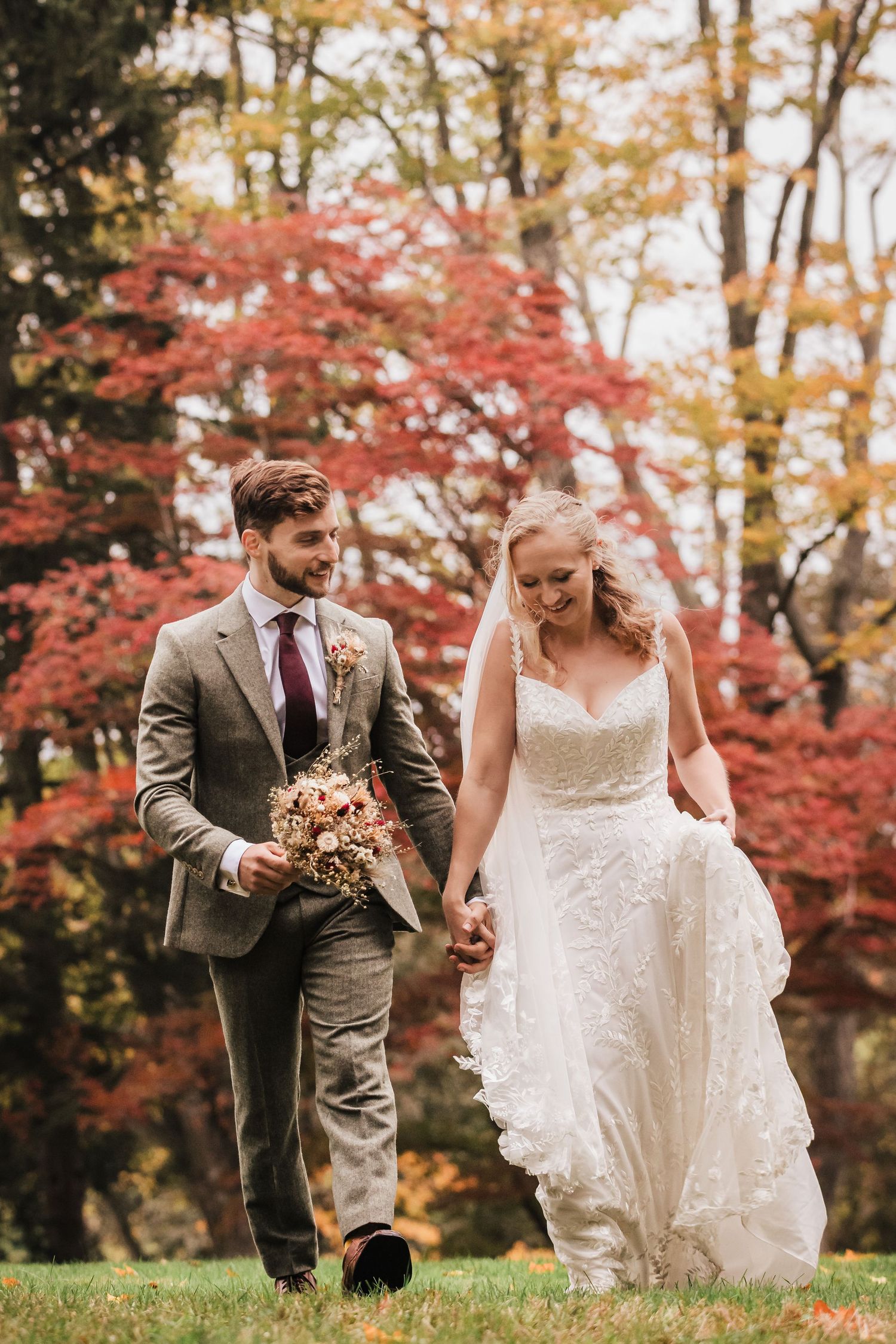
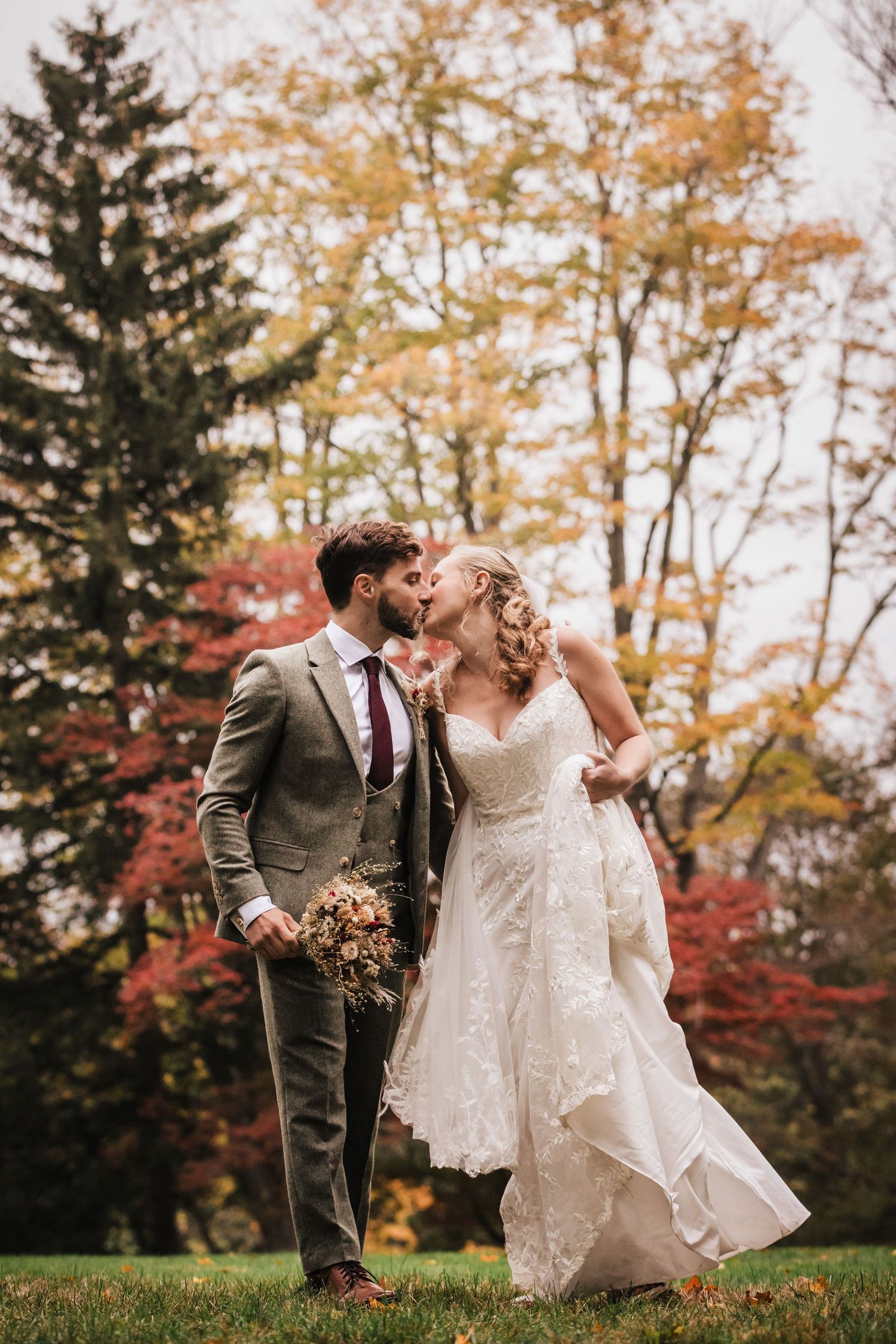
First and foremost, I would like engaged couples to know there is nothing more important on their wedding day, and by extension their wedding portraits, than to be themselves and have an awesome time. That's it. That's the whole thing.
There is no one right way to do this. Some couples want sweeping romantic portraits. Others want something more relaxed and candid, barely stopping for the camera at all. Some want long stretches of portrait time built into the day. Others want twenty minutes and then they want to be with their guests. None of those is wrong. What matters is knowing which one you are, and being honest about it.
What is important is to know themselves, know what is important to them, and to explain that to their photographer. That's the whole job on your end. The more clearly you can tell me what you want the day to feel like, the better I can deliver it.
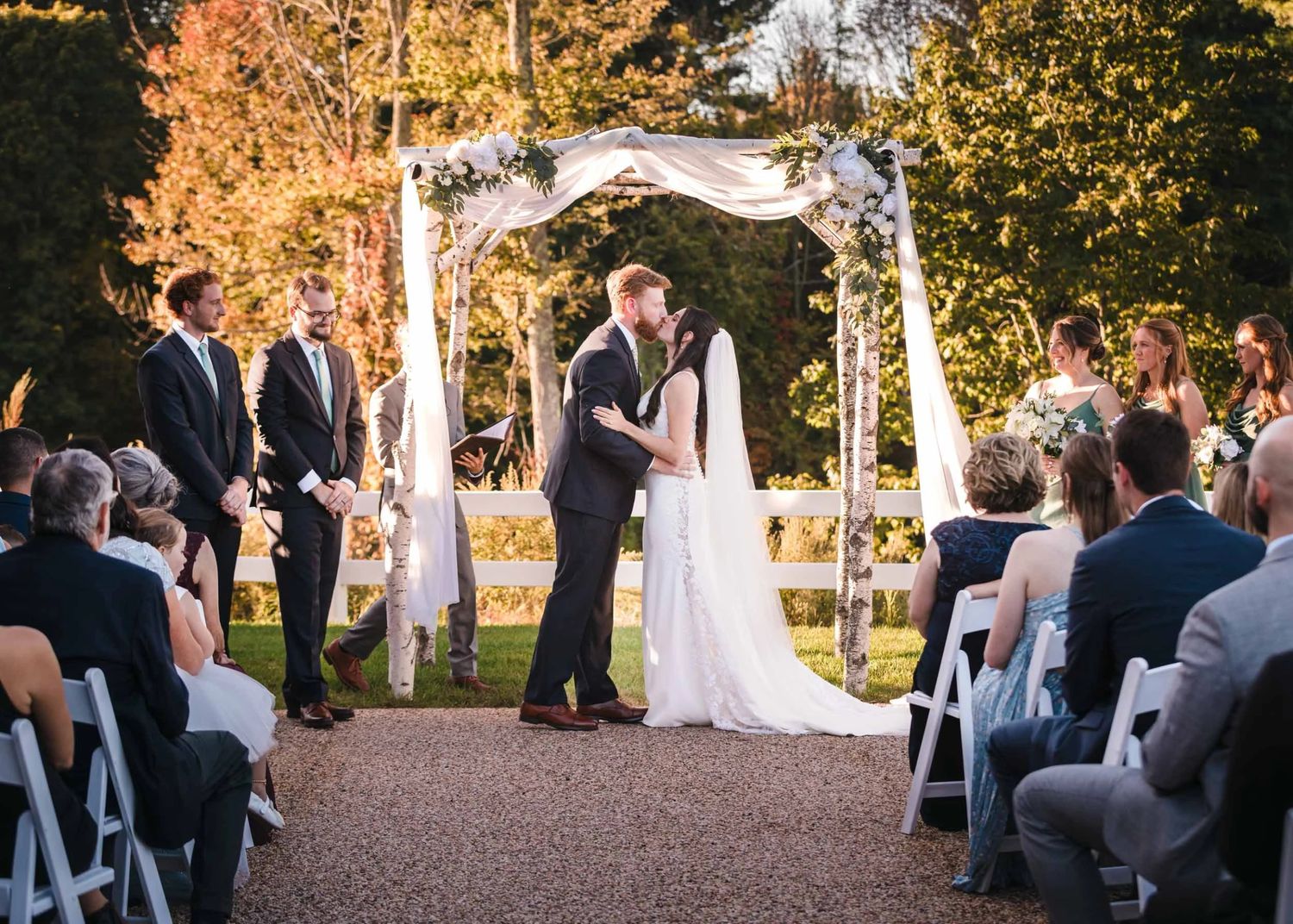
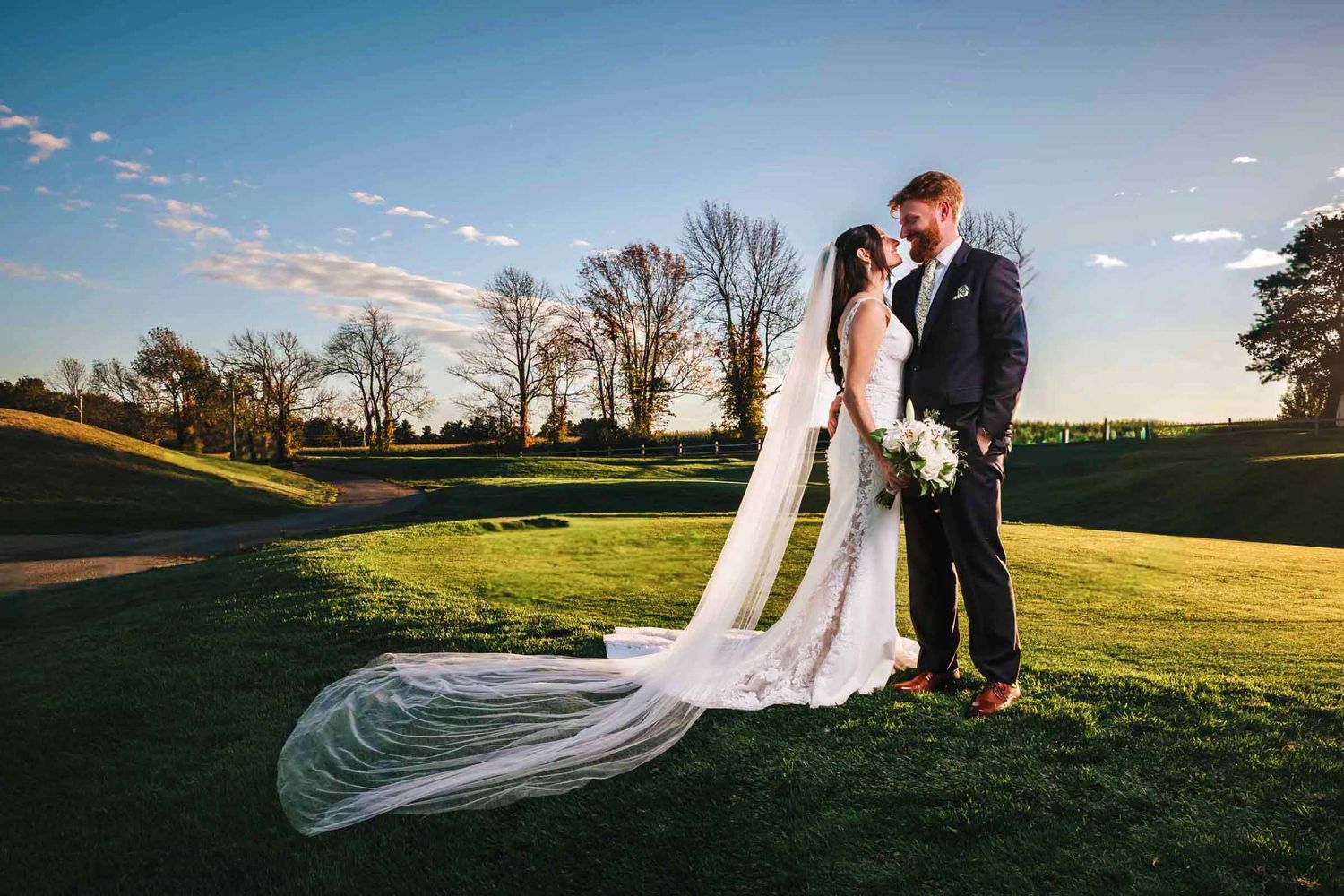
How I figure out what you value before I ever even pick up my camera
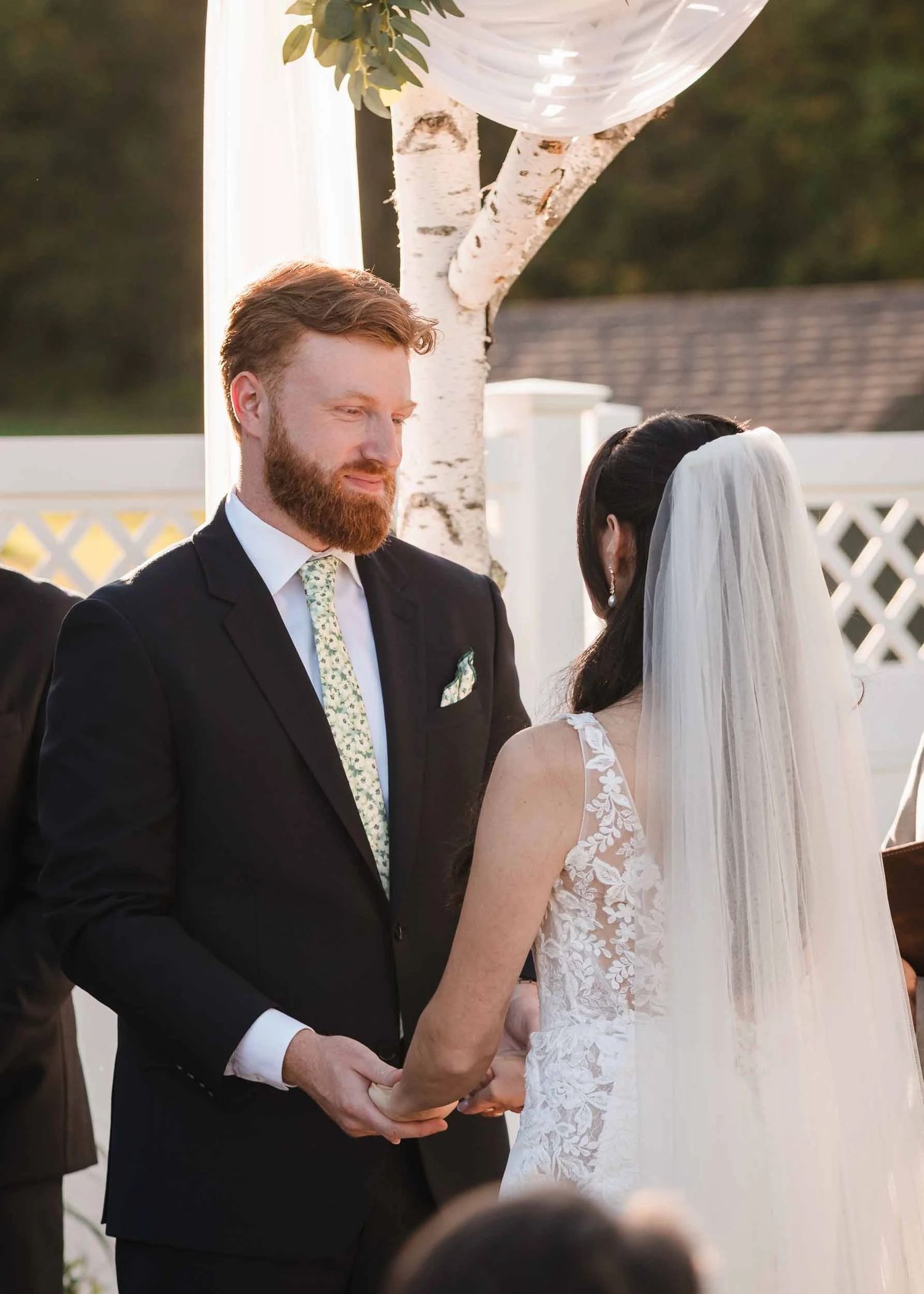
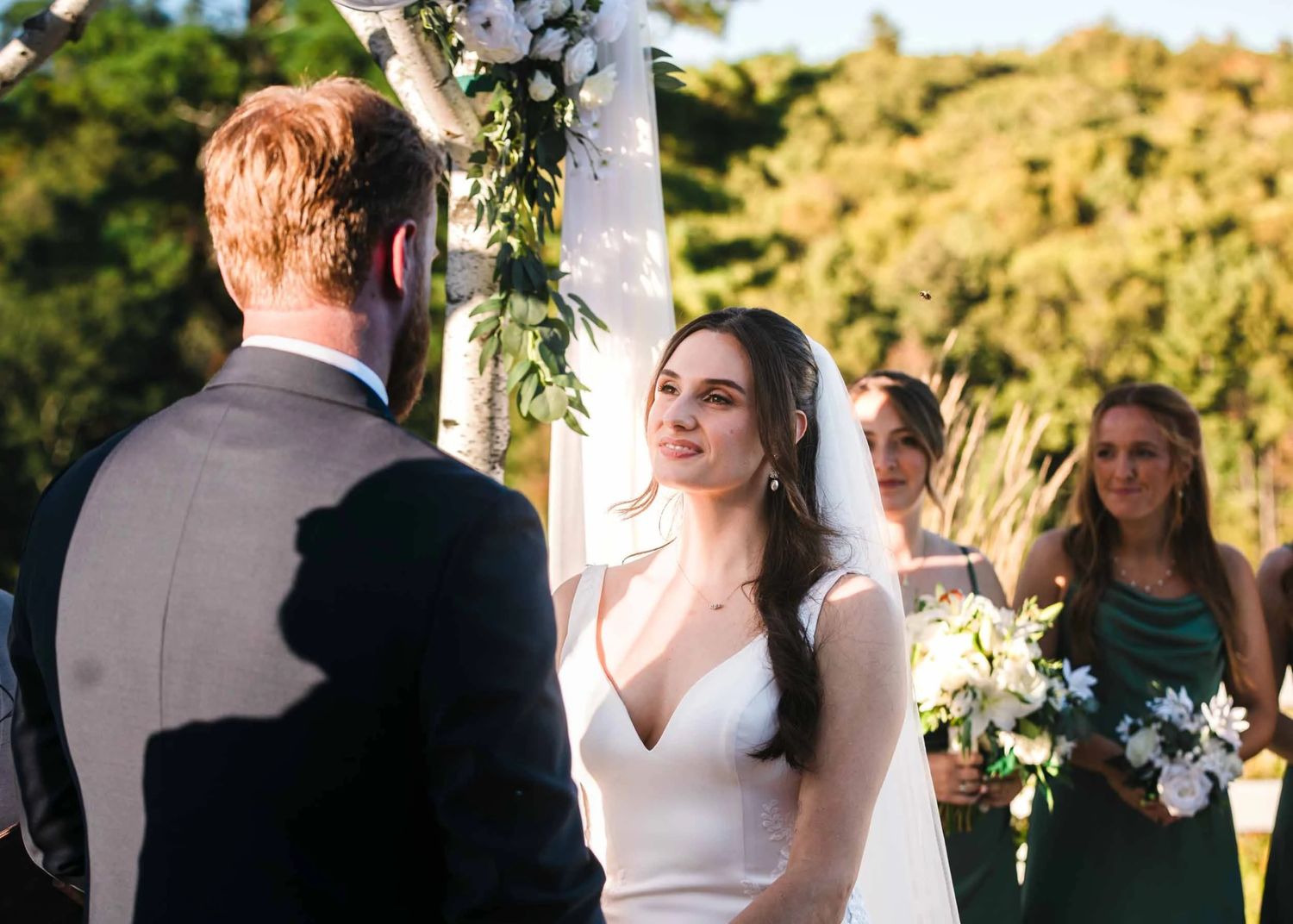
Step number one, once a couple has booked me to photograph their wedding, is to sit them down together, hear their story, then show them my portfolio and blog. Next I ask them to comment on examples they love as well as examples they do not care for. In other words, the first thing I do with a couple is to make sure I understand their values. Everything else, every aspect of planning, every photograph I take, is based on that discussion.
In practice, here's how it works. I ask you to go through my portfolio and blog and gather about two dozen images that move you emotionally, and another dozen or so that don't. We use Pinterest for this. Then we meet and talk through both lists. What catches your eye in the ones you love? What feels off about the ones that don't? That conversation tells me more about what you want than any questionnaire ever could.
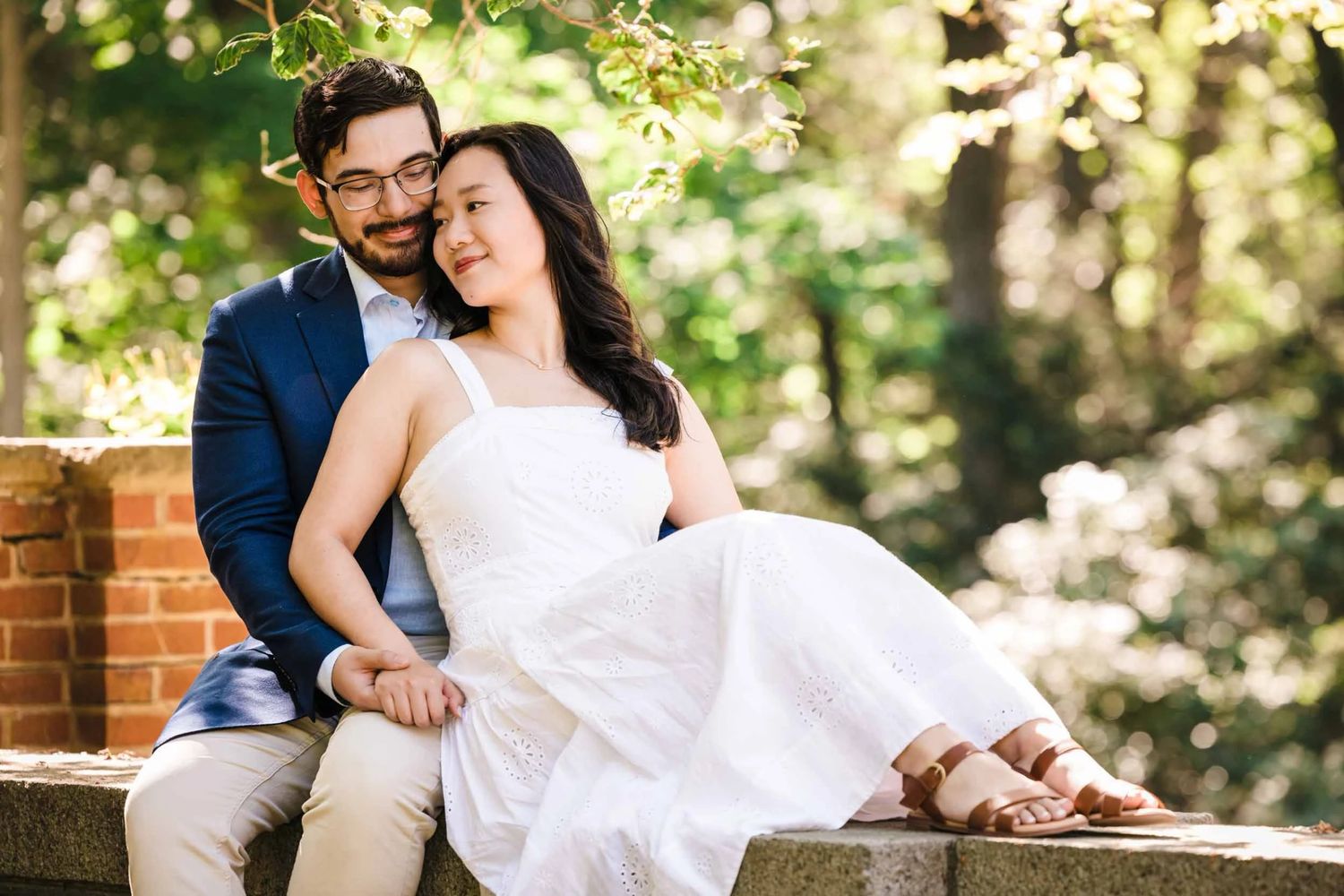
After that, we plan an engagement session at a location that's meaningful to you. That session isn't just for photos. It's a low-pressure day with no time limit where I can show you in person how I work, and confirm that I understand your style. By the time your wedding day arrives, we've already worked together once. We know each other. Most of the stress and uncertainty is already gone, and we can move through the day knowing exactly what matters to you and how to budget the time around it. I need to be sure I understand what is and is not important to them and why. That's the standard I hold myself to before we ever get to the wedding day.
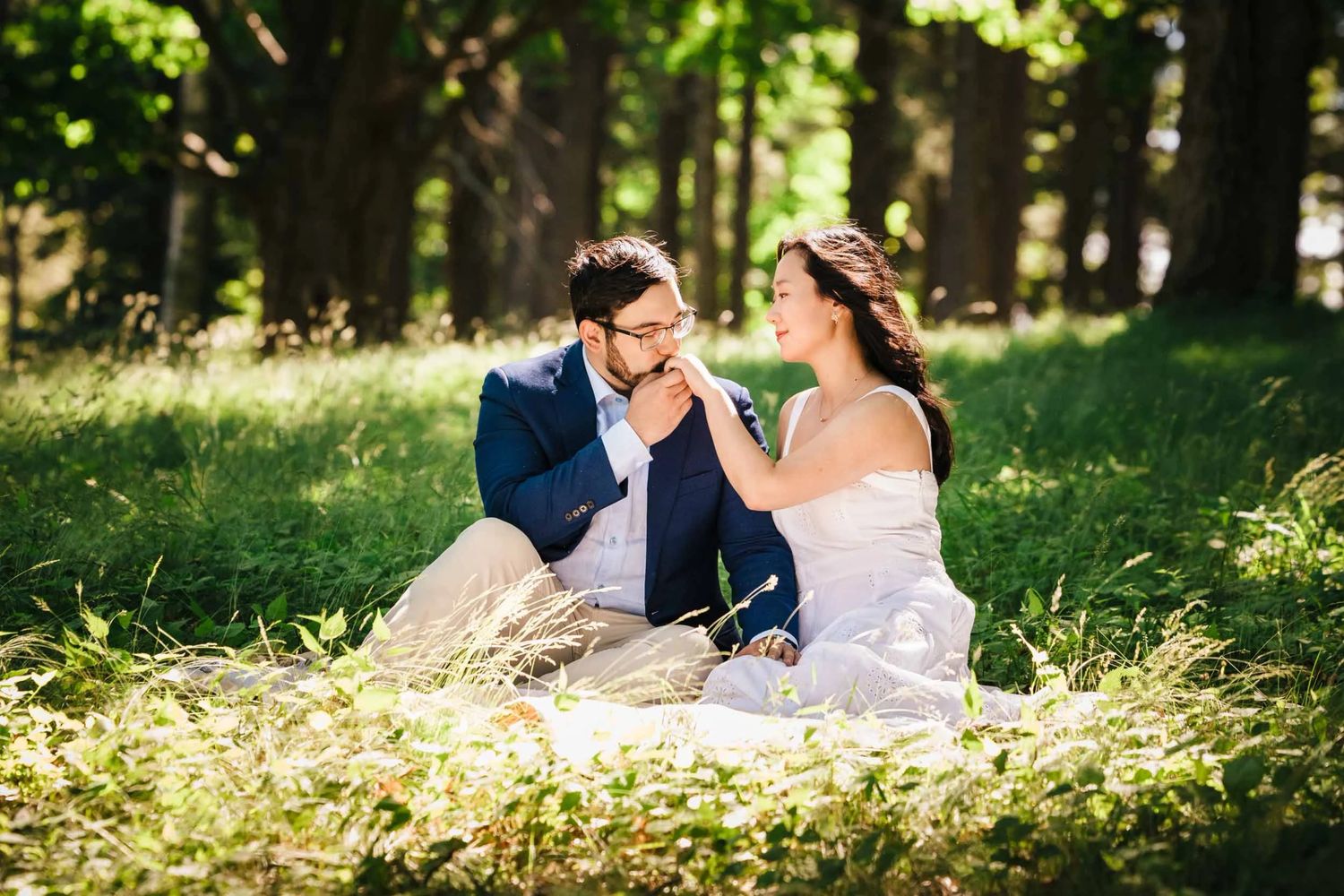
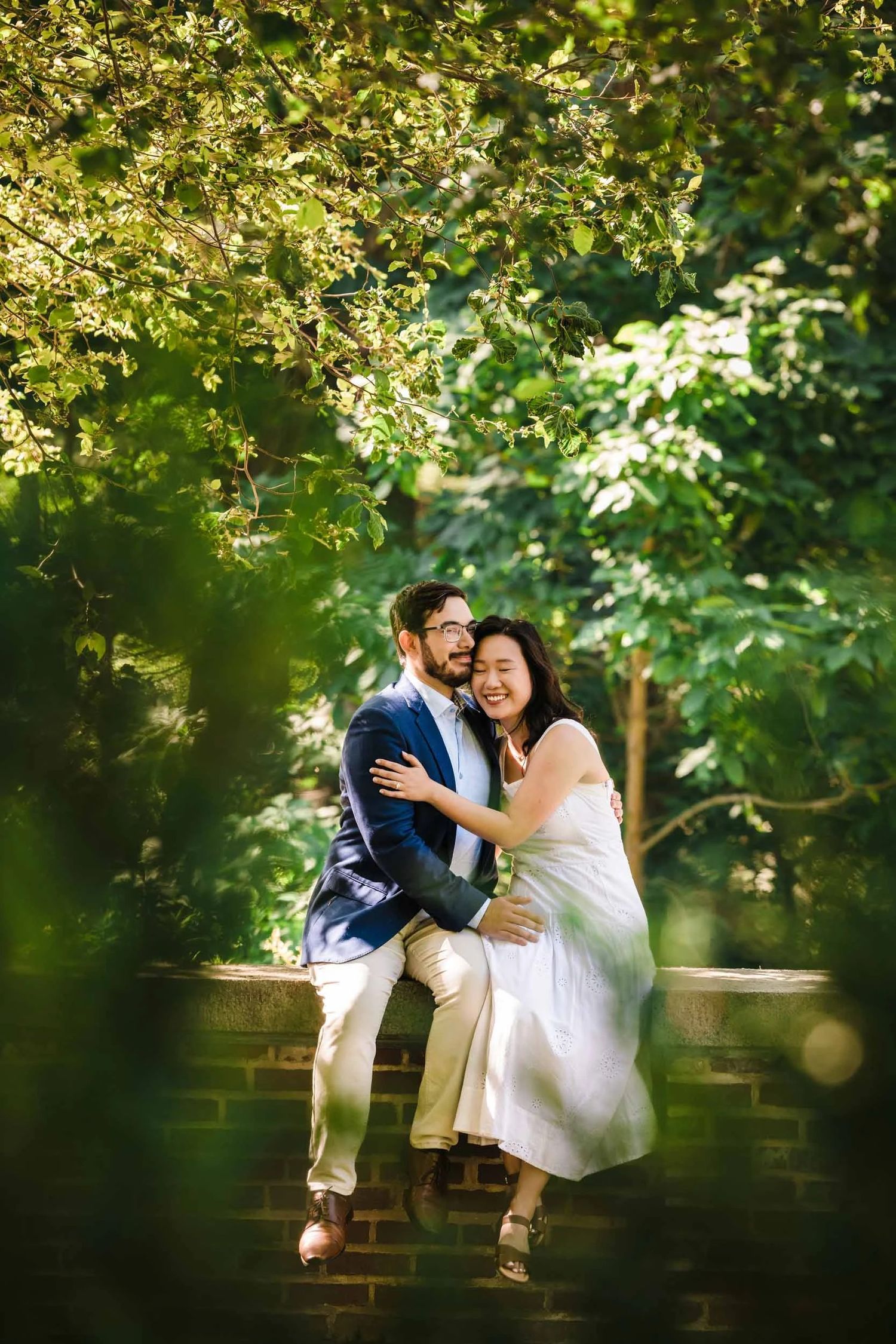
Why your timeline should reflect your values,
not a default template
I feel that the way wedding timelines treat portrait time is simply not thought out enough. It's common for couples who love portraits to not budget enough time into their schedule. But just as bad is when couples who are not as interested in portraits invest too much time in them and thus lose time with what they do value, such as spending time with guests and family.
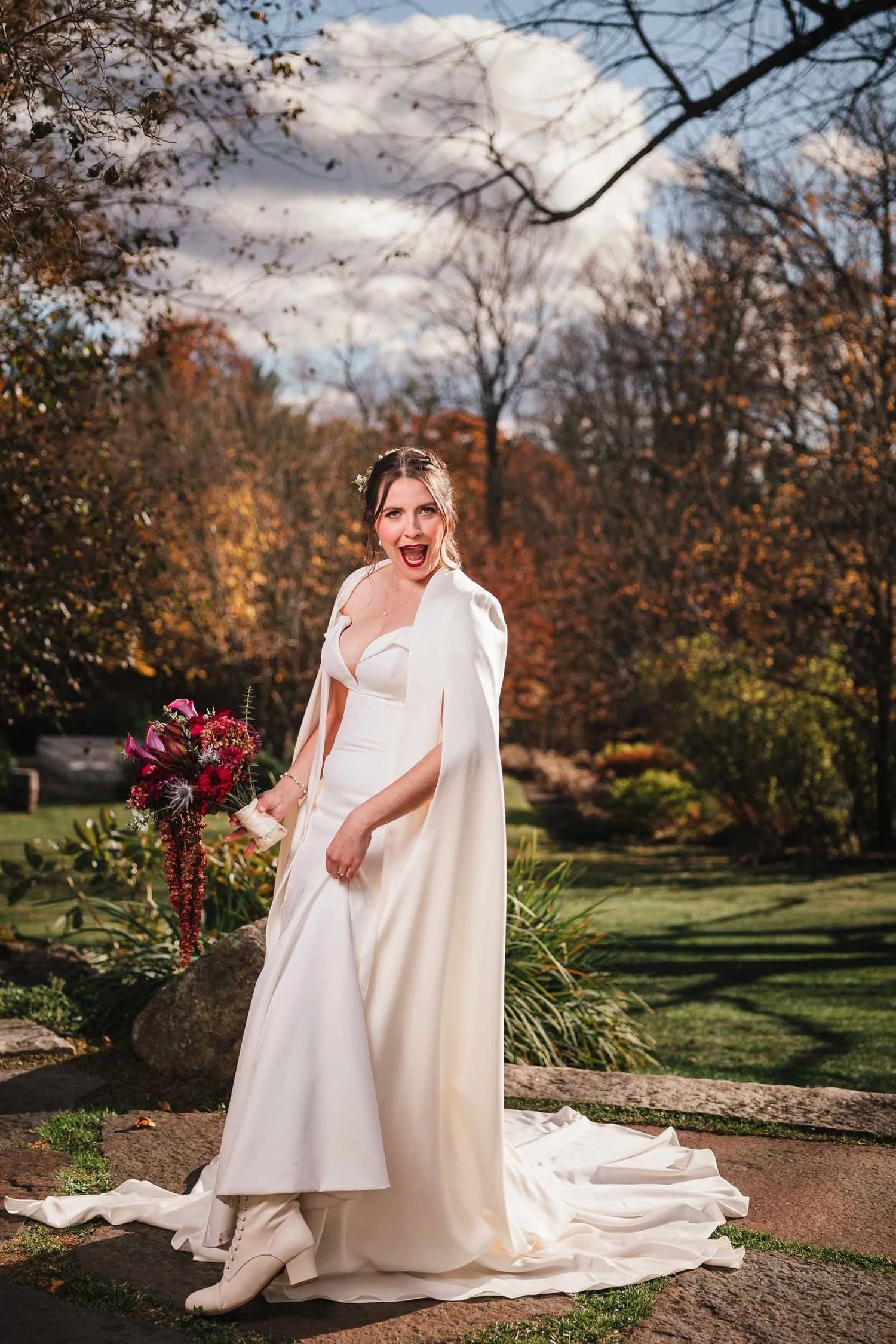
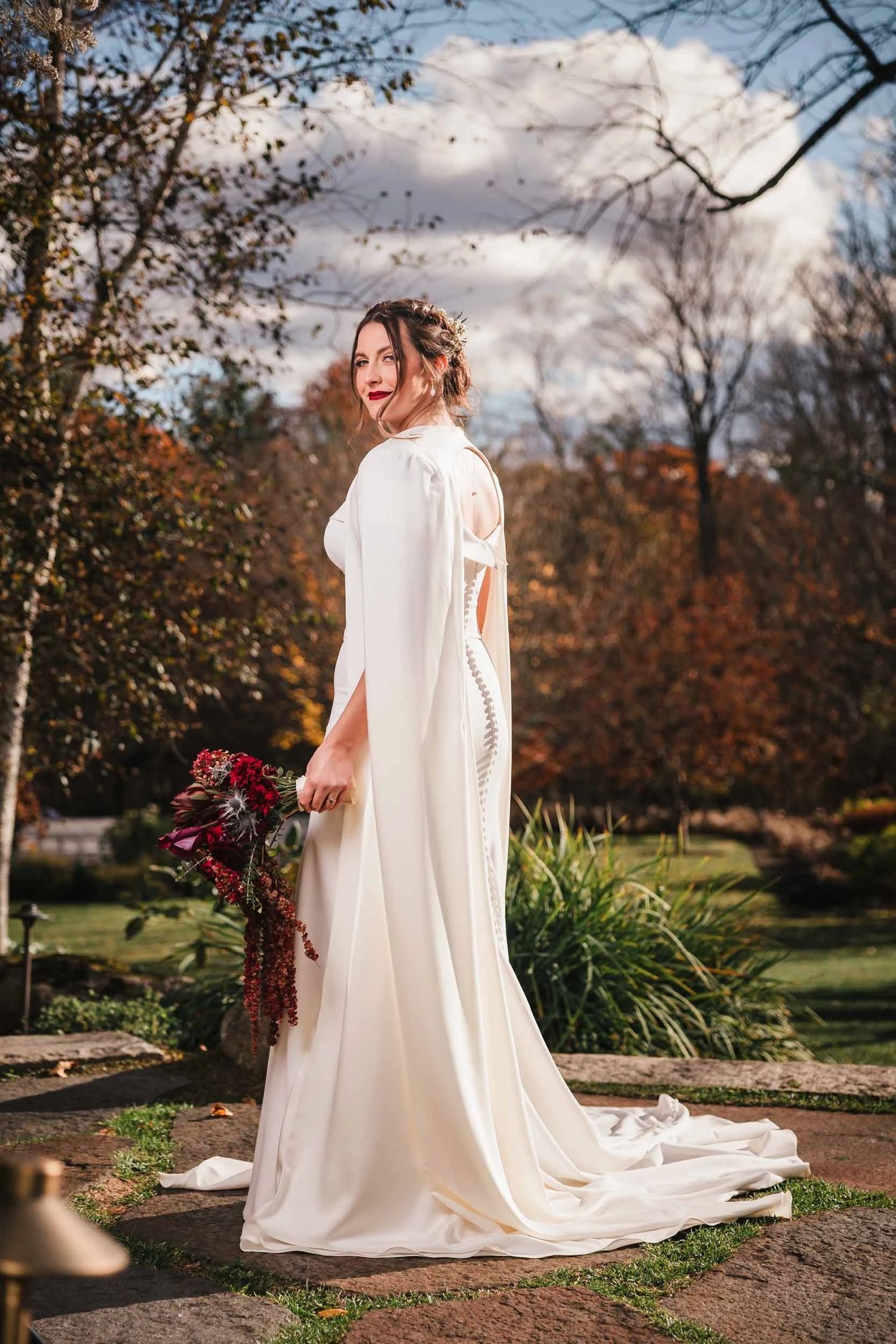
Both of those mistakes are avoidable. They happen when the timeline gets built from a generic template instead of from an honest conversation about what the couple wants the day to look like. If portraits are the thing you've been dreaming about, we build time for them. If portraits are something you want handled quickly so you can get back to your people, we build the timeline around that instead.
The engagement session and the values conversation that comes before it are what make this possible. By the time we're planning your wedding day schedule, I already know where portraits fall in your list of priorities. That means the timeline we build together is yours, not a one-size-fits-all default with your names filled in at the top.
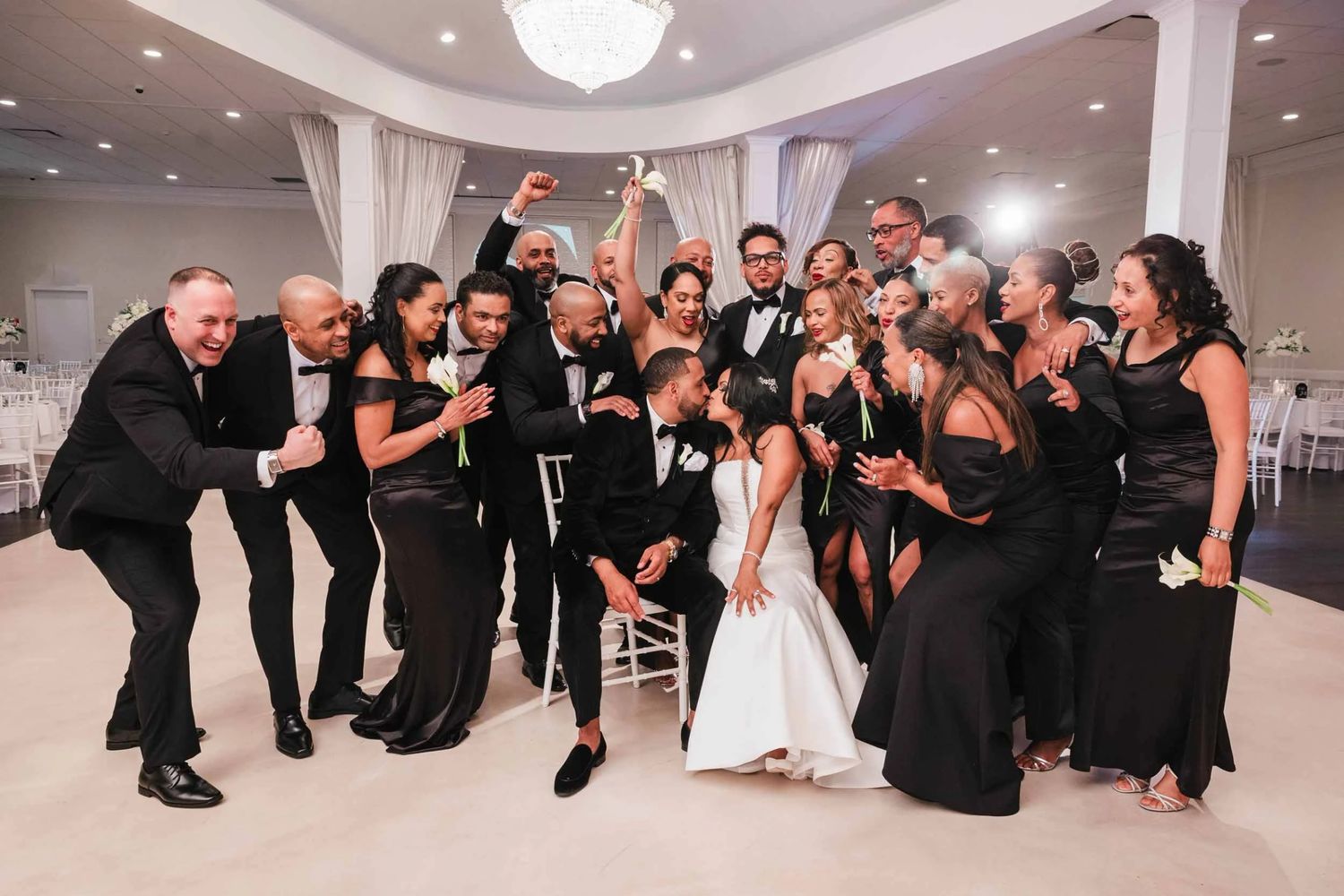
Twenty years is a long time to shoot weddings. And the biggest thing that's changed since that first wedding in 2004 isn't my gear or my editing or my technical chops. It's this: I stopped thinking the work started when I picked up the camera. It starts the moment we sit down and talk through what you actually want.
That shift sounds simple. It took years to fully get there.
Every decision I make on your wedding day, where I position myself during the ceremony, how much time we carve out for portraits, whether we chase a particular kind of light or skip it and get you back to your guests, all of it traces back to that first conversation. The couples who walk away happiest aren't always the ones with the biggest portrait budgets or the most elaborate timelines. They're the ones who were honest about what mattered to them, and who had a photographer who actually listened.
So if you're looking at Boston wedding photographers and you're not sure where to start, start there. Think about what you want the day to feel like. Think about the moments you'd be devastated to miss versus the ones you'd happily trade for an extra hour with the people you love. Then let's talk. That conversation is where everything useful begins, and I'd genuinely love to have it with you.
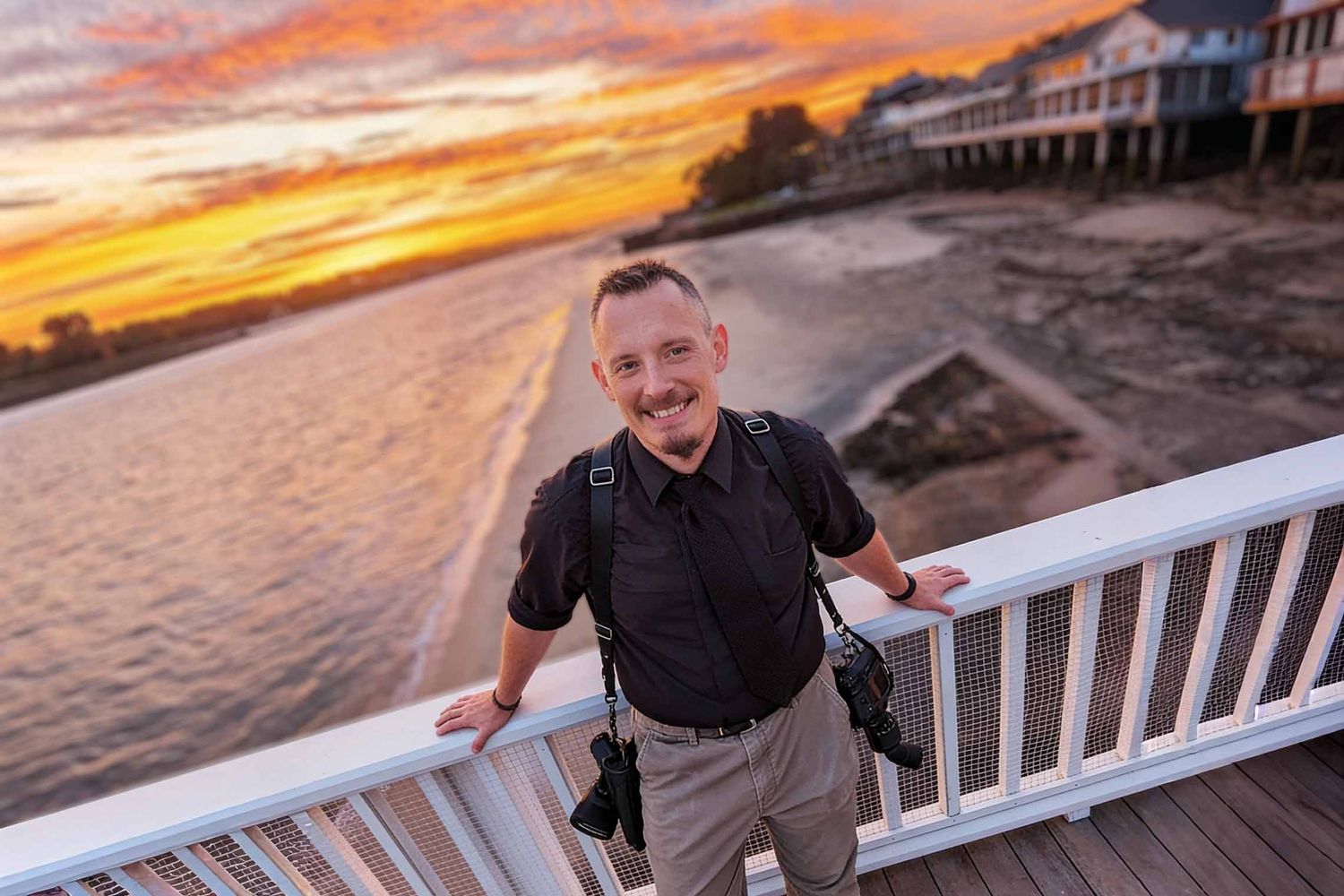
Let’s get to know each other
Hello! My name is Gregory
If you're planning a Boston wedding and want help building a timeline that actually protects the photos you care about, that's exactly the kind of thing I love figuring out with my couples before the day ever arrives.


